 Call us on : +91 99152 83044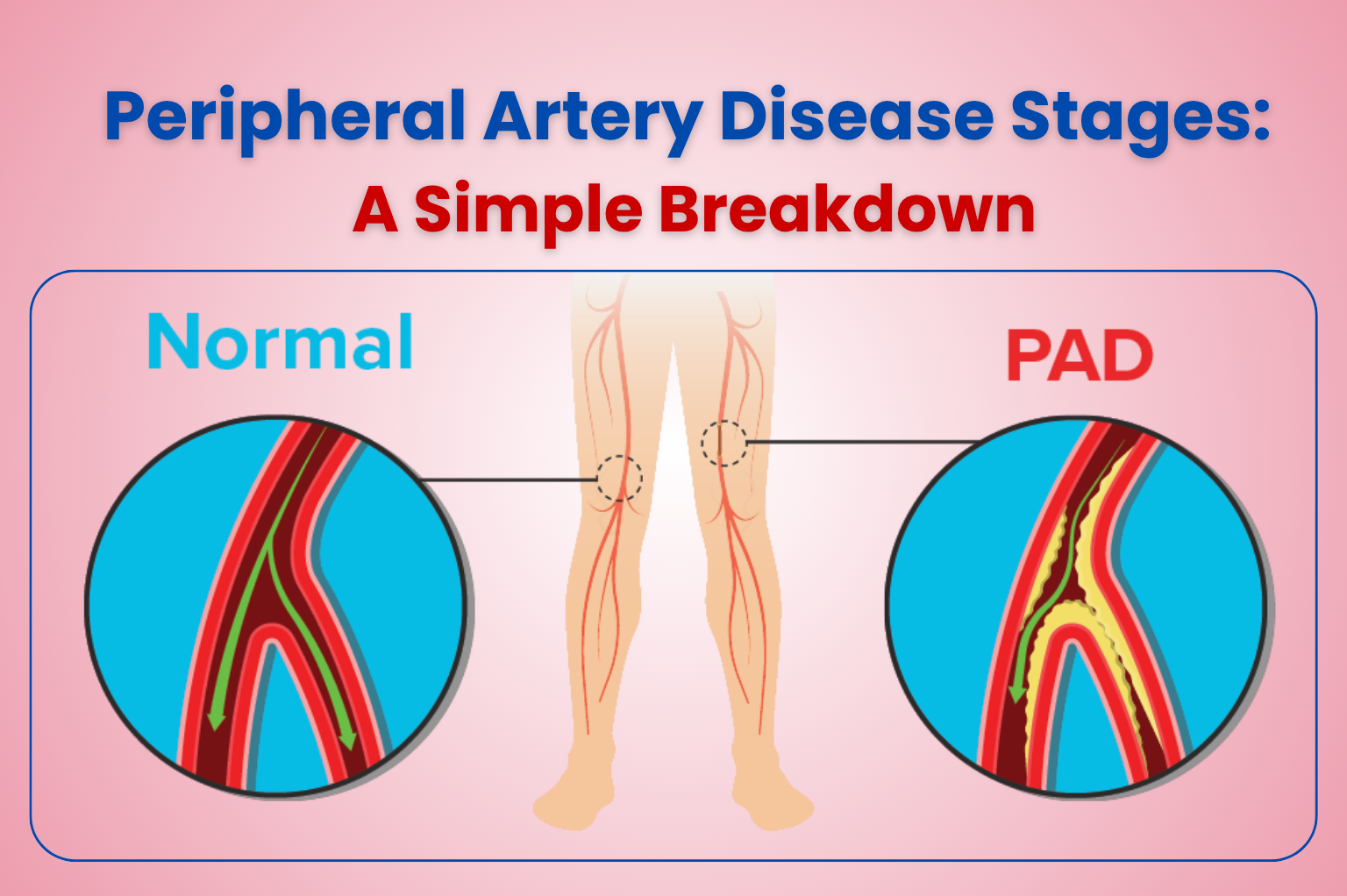
Peripheral Artery Disease in Ludhiana | Dr Luv Luthra
Peripheral artery disease is a leg blood flow problem that
grows slowly, and many people do not even notice it at first. The legs do not
get the blood they need, so small signs start coming up little by little. When
people understand the Peripheral Artery Disease Stages, it becomes easier to
know what is going on inside the legs and when to get help. This simple guide
explains each stage in a plain and gentle way, so the meaning is easy to follow.
Cases of Peripheral Artery Disease in Ludhiana are also increasing due to lifestyle factors, making early awareness and timely care even more important.
What Is Peripheral Artery Disease?
Peripheral artery disease is the inability of blood vessels
in the legs to expand properly. When they constrict, blood is unable to move in
the same manner as previously. Some people feel tired legs, some feel pain, and
some feel nothing in the beginning. The problem keeps growing with time. When
people understand how it moves step by step, they know when to meet a trained
Peripheral Artery Disease Doctor for a check.
The condition does not start loudly. It starts quietly.
That is why early understanding helps.
Why Knowing the Stages Helps
The Peripheral Artery Disease Stages show how the problem
changes inside the legs. Each small change in blood flow has its own stage.
When people know these stages, they know when walking becomes hard for a reason
or when resting pain is not normal. Early learning also helps people talk to
the Best Doctor for Peripheral Artery Disease in Ludhiana before things become
too serious.
The stages make everything simple. They show: this is where
it begins, this is where it grows, and this is when it needs fast help.
Stages of Peripheral Artery Disease
The stages below are written in soft and easy words so any
reader can understand without stress.
Stage 1: Blood Flow Slows but No Pain
In the first stage, nothing feels wrong. No pain, no heavy
legs, no slow walking. But inside the vessels, the blood is already slowing
down. The tubes are becoming tight. This stage is quiet. Many people do not
even know they have it.
Often, this is found only during a check-up. A doctor may
say the blood flow is less, even though the reader feels normal. Early
lifestyle changes help the legs a lot at this point.
Stage 2: Pain During Walks
In this stage, walking becomes a bit harder. people feel
cramping or tightness in the lower leg. The pain shows up only when walking,
and it goes away when resting. Some people think it is just weakness or age,
but it is not. The muscles want more blood, and they are not getting it.
people in this stage should talk to the Best Doctor for
Peripheral Artery Disease in Ludhiana or a trusted expert to understand how
much blood flow is blocked.
Stage 3: Pain While Resting
This stage feels different because the pain does not wait
for movement anymore. It comes even when resting or lying in bed. Many people
feel the pain more at night because the legs get even less blood in that
position.
Some feel cold feet, some feel numbness. This means the
condition is moving forward. The leg is asking for help, and this is the time
to meet a Peripheral Artery Disease Doctor without delay.
Stage 4: Wounds and Skin Changes
Now wounds start appearing, often on toes or heels. These
wounds do not heal fast because the blood cannot reach the skin properly. Even
a small cut lasts for weeks. The skin may change colour or feel weak.
This stage needs quick medical care. Without treatment, the
wounds may get bigger or infected.
Stage 5: Tissue Damage Begins
This is the stage when the skin or tissue starts dying
because there is almost no blood. Some areas turn dark or black. The legs need
urgent treatment. Doctors try to save the damaged part and protect the rest of
the leg.
In this stage, early and correct treatment is the only way
to stop the damage from spreading.
Who Helps With Peripheral Artery Disease?
A vascular expert is the one who understands how blood
moves inside the legs. This expert checks the flow, studies the stage, and
guides the reader step by step. A good specialist explains what can help at
home and what treatment is needed at the hospital. Early help makes a very big
difference.
Why People in Ludhiana Trust Dr Luv Luthra
Many patients in Ludhiana and nearby cities visit Dr Luv
Luthra because he has deep training in blood vessel care. He has done MBBS, MS
in General Surgery, MCh in Vascular and Endovascular Surgery, and DNB in
Peripheral Vascular Surgery. He runs the Chand Vascular Centre and Diabetic
Foot Clinic.
His work is known because he treats small wounds, big
wounds, foot trouble from diabetes, and blood flow problems with care. Many
patients with gangrene, long-standing leg pain, and blocked blood vessels share
that he listens calmly, checks slowly, and gives treatment that fits their
body. His style is a mix of careful steps, up-to-date tools, and very steady
hands.
Simple Tips That Help Leg Health
People can try small daily habits that keep their legs
safer:
• Light walking every day
• Eating simple home food
• No smoking
• Keeping sugar levels under control
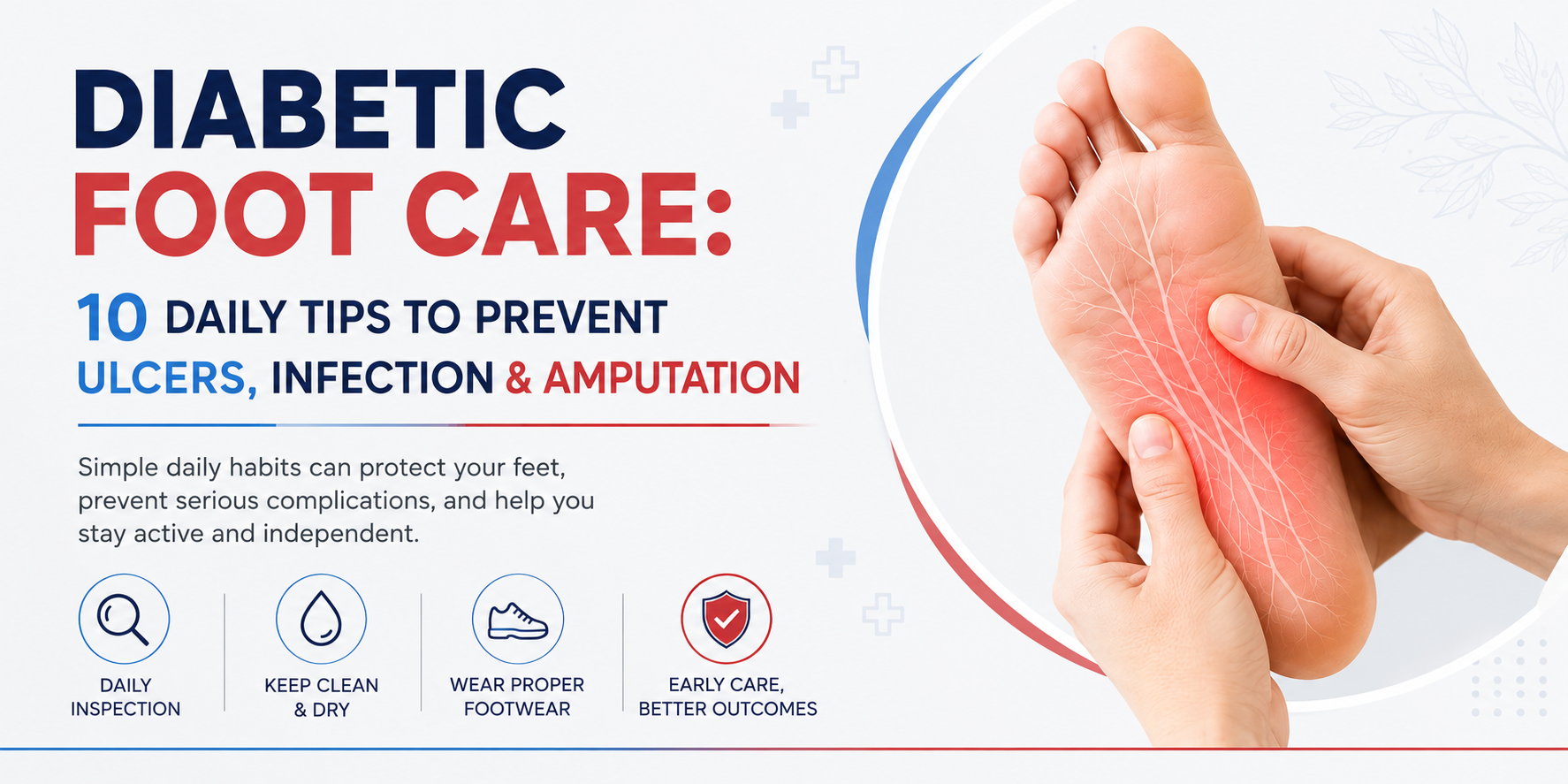
• Checking feet for small cuts or changes
• Keeping the feet clean and dry
These small steps support healing and prevent the condition
from moving to higher stages too fast.
Stages Summary in Easy Words
• Stage 1: No pain, but blood slows
• Stage 2: Pain during walks
• Stage 3: Pain even while resting
• Stage 4: Wounds show up
• Stage 5: Tissue damage begins
This simple list helps people remember what each stage
means.
Conclusion
The Peripheral Artery Disease Stages allows the people to
observe the way the leg issue starts and how it expands in case care is not
received in time. People should undergo a check-up when they experience pain
when walking, when at rest, or when they notice wounds that are not healing. A
visit to a trained specialist or the Best Doctor in Peripheral Artery Disease
in Ludhiana aid in helping to protect the leg and make the blood flow more
favorable. Timely check-ups, minimal daily care, and adequate treatment enable
the people to remain active and safe over a long period.
FAQs
1. How do we normally know that peripheral artery disease
Is there?
Pain in the legs during walking particularly calf cramping.
2. Is it possible to improve early Peripheral Artery
Disease Stages?
Yes, under which lifestyle care and proper treatment, the
first stages can be ameliorated.
3. Who should meet a Peripheral Artery Disease Doctor?
When leg pain increases, rest pain begins or the wounds
develop, a check-up is required.
4. Does walking help the legs?
Yes. Slow and steady walking helps improve blood flow.
5. Why do many patients choose Dr. Luv Luthra?
Because he has strong training, long experience, and treats
patients with careful methods.